
By Editor
Health is wealth is a popular saying of young and hold from the times past which has remained one of the most important pillars of human development, particularly at the grassroots where primary healthcare facilities serve as the first point of contact for pregnant women, nursing mothers, children, the elderly and other members of the community.
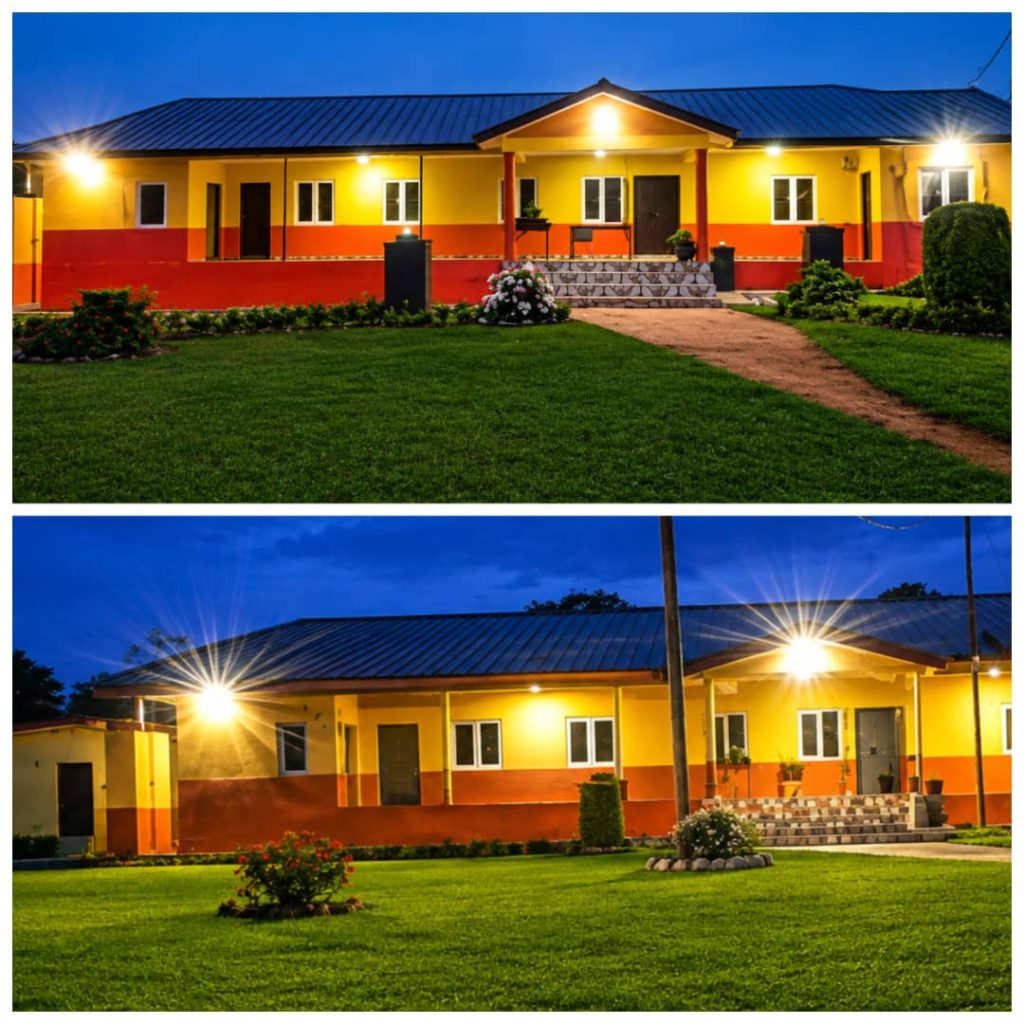
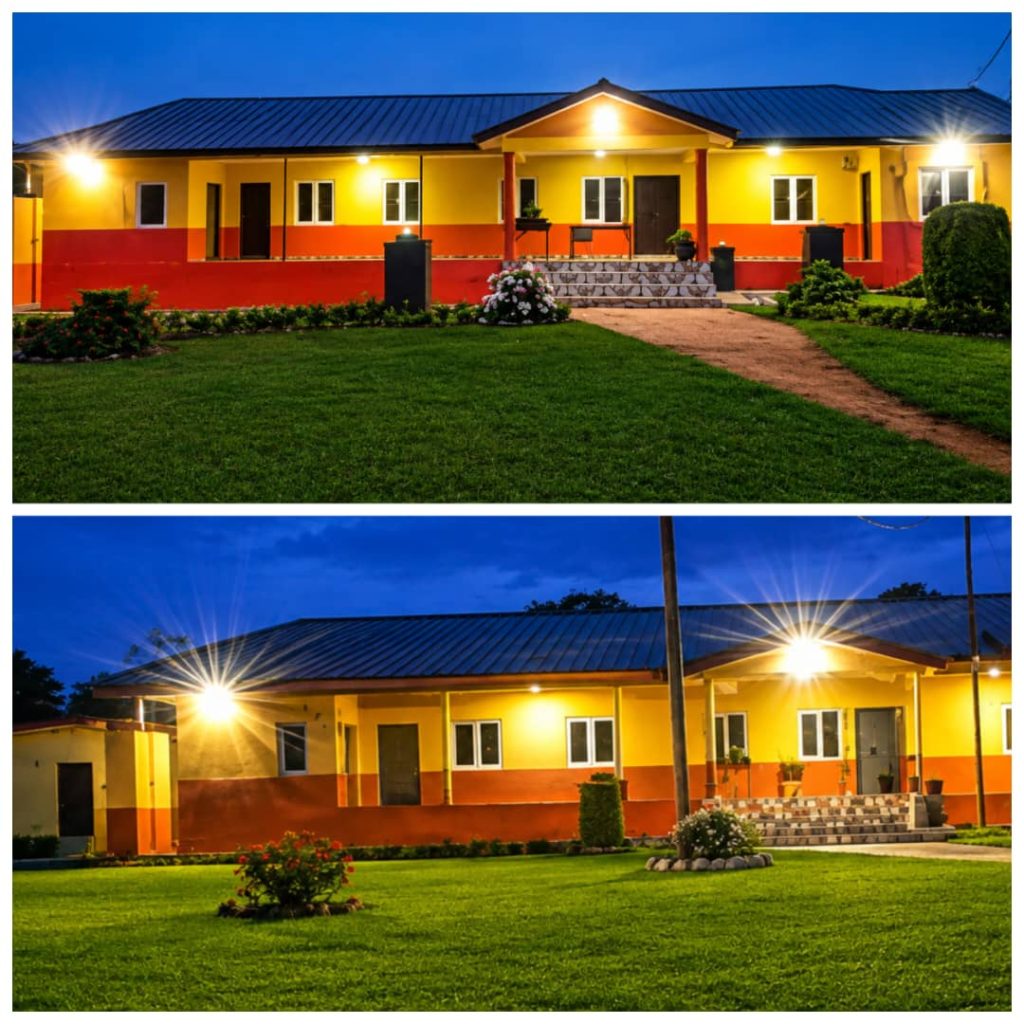
It is against this background that the intervention at the Itapaji Maternity Health Centre, Itapaji Ekiti, under the progressive and forward-thinking leadership of the Executive Chairman of Ajoni Local Council Development Area, AMB. Prince Michael Ogungbemi, deserves commendation. The upgrade of the health centre represents more than a physical renovation. It is a deliberate investment in the dignity of patients, the welfare of healthcare workers and the overall improvement of healthcare delivery within Itapaji Ekiti and its surrounding communities.
Before this intervention, the facility was a shadow of what a functional maternity health centre ought to be. The building and its facilities had deteriorated significantly, creating an environment that was neither sufficiently comfortable nor adequately equipped to inspire confidence among patients and healthcare personnel.
Today, however, the story is different. Through a comprehensive facelift involving structural rehabilitation, improved power supply, water and sanitation facilities, aesthetics and the provision of essential hospital equipment, the Itapaji Maternity Health Centre has been transformed into a more functional, decent and welcoming healthcare environment.
The objective was not merely to patch up the building but to undertake a meaningful upgrade that would address the major structural, functional, environmental and aesthetic deficiencies of the facility.
The intervention therefore covered several aspects of the centre, including complete replacement of roofing sheets, Installation of a modern solar-powered electricity system, installation of 20 solar panels with Deye inverter and battery system, new borehole and potable water supply, windows and ventilation,
Installation of Turkish doors, fabrication and installation of metal doors, flooring and wall finishes, full electrical fittings, water and sanitation facilities, installation of a German product Ox wall fans,
Interior comfort painting and aesthetic transformation, hospital beds and other major medical equipment.
One of the major interventions was the replacement of the entire roofing sheets of the health centre. The roof is one of the most fundamental components of any building, particularly a healthcare facility. A compromised roof exposes patients, healthcare workers, equipment and the building itself to rain, moisture and gradual structural deterioration.
The replacement of the roofing sheets has
Improved the structural integrity of the facility, protected the building from rain and weather-related damage, reduced the possibility of leakages into the wards and other rooms, improved the overall appearance of the health centre, provided a more secure and durable covering for the facility.

This intervention is particularly important because it ensures that other renovation efforts and medical equipment within the facility are better protected from environmental damage.
One of the most outstanding components of the intervention is the installation of 20 solar panels integrated with a Deye inverter and battery system.
The installation represents a substantial investment in renewable energy and a deliberate effort to provide the health centre with a more dependable power solution. Deye is a well-known manufacturer of solar inverter and energy-storage solutions, and the deployment of a properly configured Deye system places the facility among healthcare centres benefiting from modern renewable-energy technology. Coupled with the inverter is a 20-panel solar installation which provides a clean and sustainable source of electricity, while the inverter and battery system allow generated energy to be managed and stored for use when needed.
The centre is better positioned to maintain essential electrical services even when conventional electricity supply is unavailable.
Healthcare workers can attend to patients in a properly illuminated environment, including during night-time emergencies and childbirth.
A major addition to the intervention is the drilling of a new borehole to provide the health centre with access to potable water. Water is indispensable to healthcare. From maintaining person hygiene to cleaning wards, washing medical materials, maintaining sanitary facilities and attending to the needs of patients, a reliable source of clean water is fundamental to the proper functioning of a health facility.
Before this intervention, access to a dependable source of potable water was a challenge. The provision of a new borehole therefore addresses one of the most basic yet critical needs of the maternity centre.
With the new borehole, there will be provision of a more dependable source of potable water, improve hygiene and sanitation within the facility.
It helps to improve the usability of the newly installed water closets and toilet facilities, it enhances the comfort and dignity of patients.
A healthcare facility without reliable water is incomplete. By providing a new borehole, the administration has addressed not only a physical infrastructure need but also a fundamental public-health requirement.
The borehole therefore complements the installation of the new water closets, toilet seats and other sanitary facilities, ensuring that the renovated centre has the basic water infrastructure required to sustain a cleaner and healthier environment.
The installation of Turkish doors is another important aspect of the renovation, adding both functionality and a refined aesthetic dimension to the upgraded facility.
The use of quality doors is particularly important in a healthcare environment where privacy, security, durability and appearance all matter.
The Turkish doors contribute to improved patient privacy, particularly within maternity and consultation areas, it enhances security for patients, healthcare workers, medicines and equipment.
The open casement windows were fixed, while appropriate nettings were installed.
Windows play an important role in healthcare facilities because they contribute to ventilation, natural lighting and environmental comfort.
The intervention has improved ventilation within the wards and rooms. It allows for a better circulation of fresh air, helps reduce the entry of insects into the facility, improves patient comfort, contributed to a cleaner and more hygienic healthcare environment.
For a maternity centre, where mothers and newborn babies require a comfortable environment, improved ventilation and protection from insects are particularly valuable.
New metal doors were fabricated and installed as part of the rehabilitation.
The new doors provide improved security for patients, staff and medical equipment, it’s of a greater durability compared with deteriorated or weakened doors and allow for better privacy for patients.
The centre also benefited from full tiling, significantly improving the appearance and hygiene of the facility. Healthcare environments require surfaces that can be cleaned easily and maintained to a high hygienic standard.
The tiling makes the facility easier to clean and helps improves general hygiene.
The electrical fittings within the facility were also upgraded.
The improvement of electrical fittings provides better distribution of electricity within the building and improved lighting.
The centre has also been equipped with a German product Ox wall fans aimed at improving air circulation and comfort within the facility.
This is another example of the attention given to quality in the selection of materials and fittings for the upgraded centre.
The installation of quality wall fans:
Improves air circulation within the wards and rooms, enhances comfort for pregnant women and helps healthcare workers work in a more comfortable environment.
The choice of a quality product also demonstrates the administration’s intention to install fittings that can provide dependable service rather than merely fulfilling a cosmetic requirement.
Another significant intervention was the installation of new water closets and toilet seats.
This may appear to be a basic facility, but in a maternity health centre, adequate sanitation is a fundamental component of quality healthcare.
A healthcare facility should not merely function, it should inspire confidence. The deliberate attention given to aesthetics therefore sends an important message that people living in rural and underserved communities deserve healthcare facilities that are not only functional but also beautiful, decent and dignifying.
The intervention also included the provision of hospital beds to the centre. This is particularly important given the maternity function of the facility. The provision of hospital beds improves patient accommodation, provides greater comfort for women receiving care, increases the functional capacity of the centre, creates a better environment for observation and recovery and improves the working conditions of healthcare personnel.
Beyond the hospital beds, other major equipment were supplied e.g microscope etc… to further strengthen the operational capacity of the health centre.
The transformation of the Itapaji Maternity Health Centre goes beyond the renovation of a building.
It represents a strategic investment in people, healthcare, dignity and community development.
The upgraded facility now offers a more conducive environment for pregnant women seeking antenatal and maternity services, nurrsing mothers, newborn babies, children and other patients.
The Itapaji Maternity Health Centre project is a reflection of a leadership philosophy that recognises that development must be felt directly by the people.
The intervention demonstrates that grassroots governance should not be limited to administrative activities. It should translate into tangible improvements in the everyday lives of citizens.
While the intervention is being driven at the local level under the leadership of AMB. Prince Michael Ogungbemi, it is also important to recognise the broader leadership environment that continues to encourage and support development at the grassroots.
The people of Ajoni LCDA sincerely appreciate the Executive Governor of Ekiti State, Mr. Biodun Abayomi Oyebanji, for his consistent commitment to grassroots development and for constantly creating an enabling environment for meaningful projects and programmes to reach the people at the community level.
The people of Itapaji Ekiti and indeed the entire Ajoni community owe a debt of appreciation to the Executive Chairman of Ajoni LCDA, AMB. Prince Michael Oluwadare Ogungbemi, for his vision and commitment to improving grassroots healthcare. His decision to intervene in the Itapaji Maternity Health Centre demonstrates that progressive leadership is not measured only by the size of projects but by the depth of their impact on ordinary people.
The upgraded centre now stands as a symbol of what purposeful grassroots leadership can achieve when vision is matched with action.
It is therefore fitting to commend the Chairman for this laudable innovation and his unwavering commitment to the welfare of the people.
